There is a special kind of travel panic that only appears at the airport desk: the moment you realise the thing you need most is sitting safely at home. Clothes can be replaced. Chargers can be borrowed. Even forgotten toiletries are easy to fix. Travel documents are different. Without the right paperwork, a holiday, work trip, safari, family visit, or weekend escape can stop before it starts.
The good news is that a simple document check can remove most of that stress. Use this guide before every trip, especially when travelling internationally, crossing borders more than once, hiring a car, joining a tour, or carrying medication.
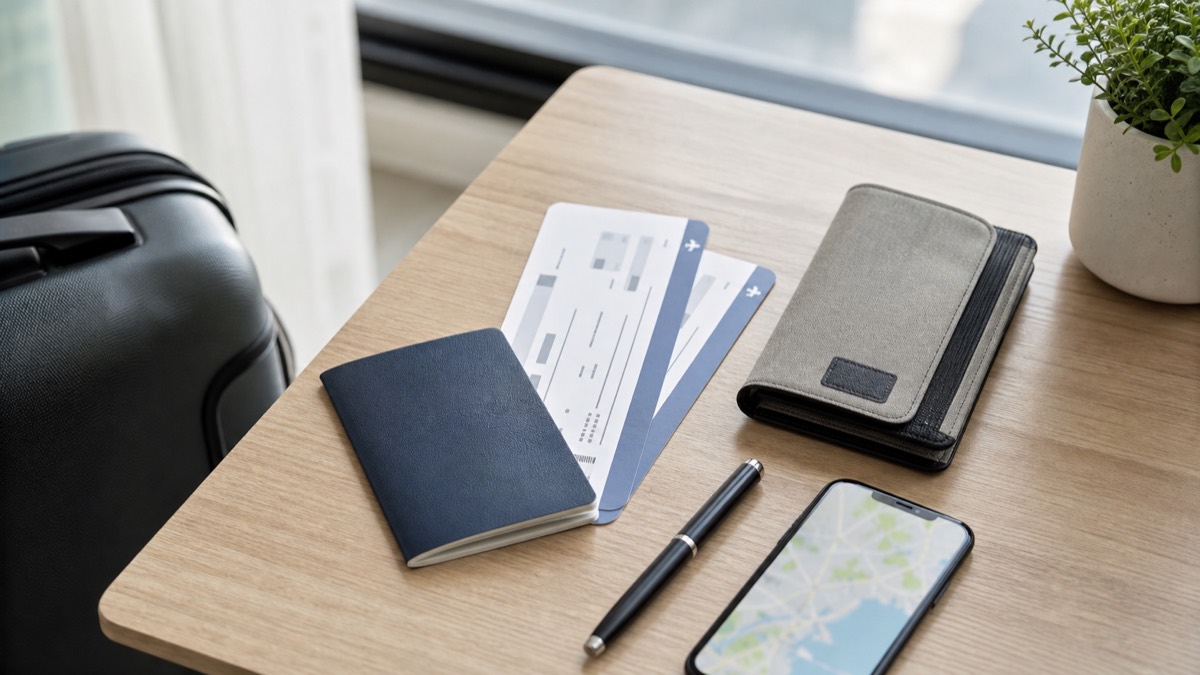
1. Passport, plus a backup copy
Your passport is the one document you should check first, not last. Make sure it is valid for your destination, has enough blank pages, and meets the entry rules for every country on your route, including transit stops. Some destinations require several months of validity beyond your return date, so do not assume that “still valid” automatically means “valid enough”.
Carry your passport securely, but keep a separate copy in another place. A printed copy can help if the original is lost or stolen, and a digital copy stored securely in cloud storage can make replacement much easier. Do not rely on a single phone photo only. If your phone is lost, flat, or stolen, the backup disappears with it.
2. Visa, eVisa, or entry authorisation
Visa rules change, and they can vary based on nationality, passport type, length of stay, purpose of travel, and even where you are arriving from. Before you leave, confirm whether you need a visa, electronic travel authorisation, arrival card, or proof of onward travel.
If your visa is digital, save the confirmation as a PDF and print one copy. Border systems usually work, but a printed confirmation can be useful if an airline agent needs to verify your permission to board.
3. Flight, transport, and accommodation confirmations
Keep your flight bookings, train tickets, transfer details, hotel confirmations, and tour vouchers in one folder. Many destinations may ask where you are staying, and airlines or border officials can sometimes request proof of onward or return travel.
A tidy travel folder also helps when plans change. If a flight is delayed, a transfer driver is waiting, or a hotel cannot find your booking, having the details ready saves time and keeps the mood calm.
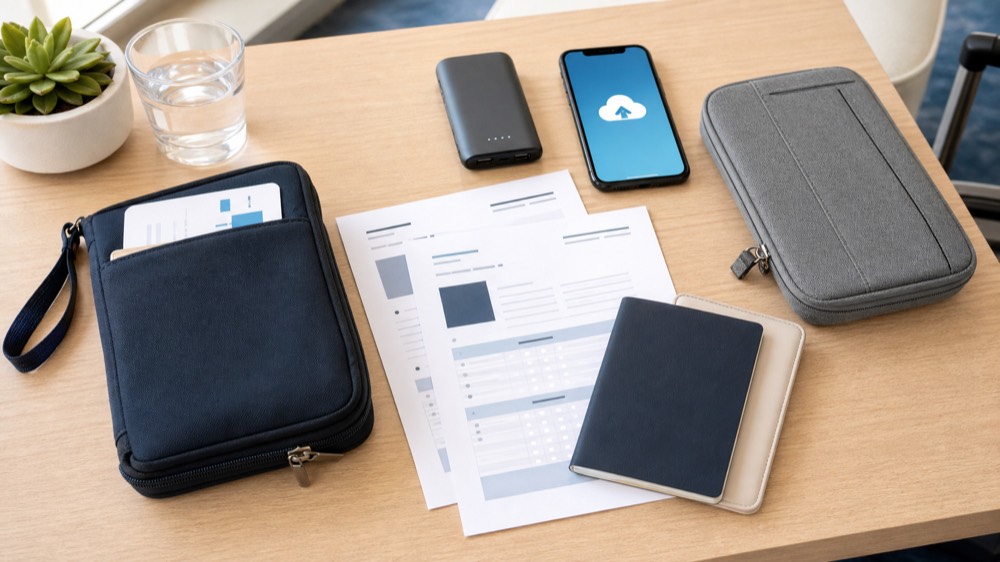
4. Travel insurance documents
Travel insurance is easy to buy and easy to forget. Before leaving, save the policy number, emergency assistance number, insurer contact details, and a summary of what is covered. Make sure you know how to contact the insurer from abroad, not just from home.
If you are doing activities such as hiking, skiing, diving, safari drives, or adventure tours, check that your policy covers those activities. It is better to spot a gap at home than when you need help.
5. Health documents and prescriptions
Depending on your destination, useful health documents can include vaccination records, proof of yellow fever vaccination where required, copies of prescriptions, medical letters, and health or travel insurance cards. If you take regular medication, keep it in original packaging where possible and carry a copy of the prescription.
Some countries restrict certain medicines, including common pain relief, sleep medication, stimulants, or prescription drugs. Check the rules before you travel, especially if you are carrying controlled medication or a larger supply for a long trip.
6. Driving licence and international driving permit
If you plan to rent a car, ride a scooter, or join a self-drive route, check whether your normal driving licence is enough. Some destinations require an International Driving Permit alongside your licence. Rental companies may also ask for a credit card in the driver’s name, so keep that with your documents too.
Do not leave this check until you reach the rental desk. If you need a permit, you usually need to arrange it before departure.
7. Emergency contacts and embassy details
Save emergency contacts in your phone, but also keep a printed card in your wallet or travel pouch. Include a trusted contact at home, your accommodation address, your insurer’s emergency line, and your nearest embassy or consulate details.
This is especially useful for solo travellers, families, travellers with medical conditions, and anyone visiting remote areas where internet access may be unreliable.
8. Copies of key cards and important numbers
You should not carry full card details openly, but you can keep the phone numbers needed to cancel lost bank cards, access travel money support, or contact your mobile provider. If your wallet goes missing, you do not want to be searching email inboxes on hotel Wi-Fi while stressed.
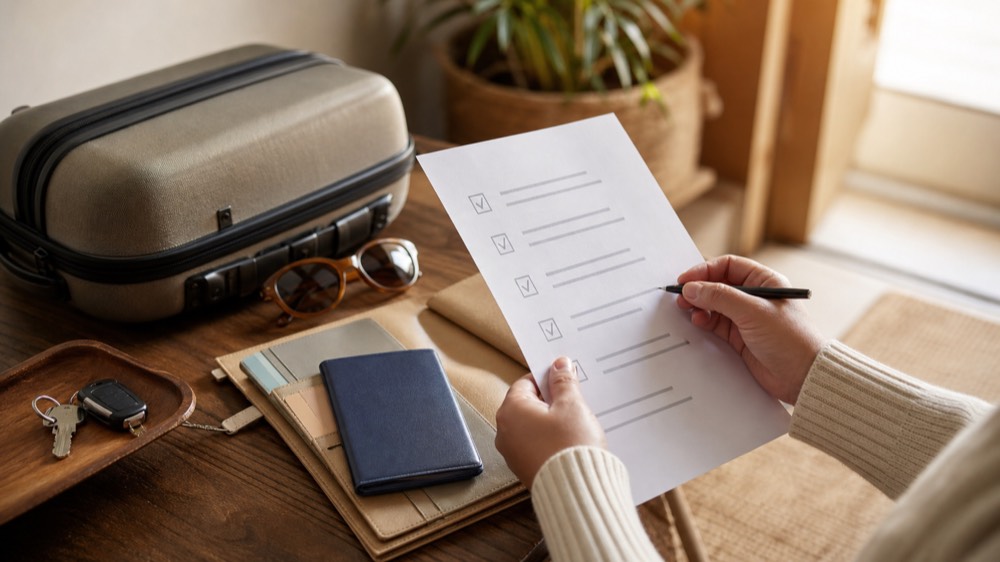
How to store your travel documents safely
The best system is simple: one physical set, one digital set, and one backup. Keep originals in a secure travel wallet. Keep printed copies separate from the originals, such as in a different bag. Store digital copies in a secure cloud folder that you can access from another device if your phone is lost.
Before you leave home, download documents for offline access. Airport Wi-Fi, roaming settings, and low battery warnings have a talent for appearing at exactly the wrong moment.
A quick pre-trip document checklist
- Passport with enough validity and blank pages
- Visa, eVisa, or entry authorisation
- Flight, transport, and accommodation confirmations
- Travel insurance policy and emergency number
- Health documents, vaccination records, and prescriptions
- Driving licence and International Driving Permit if needed
- Emergency contacts and embassy or consulate details
- Printed and digital copies of important documents
Final thought
Travel documents are not exciting, but they are the quiet foundation of a good trip. Pack them early, check them twice, and keep backups in more than one place. Future you, standing at a check-in desk with everything ready, will be deeply grateful.
Helpful official resources: Check GOV.UK foreign travel advice for destination-specific entry and safety information, review the U.S. Department of State travel planning checklist, and see the CDC Pack Smart guidance for health-related documents and medication planning.